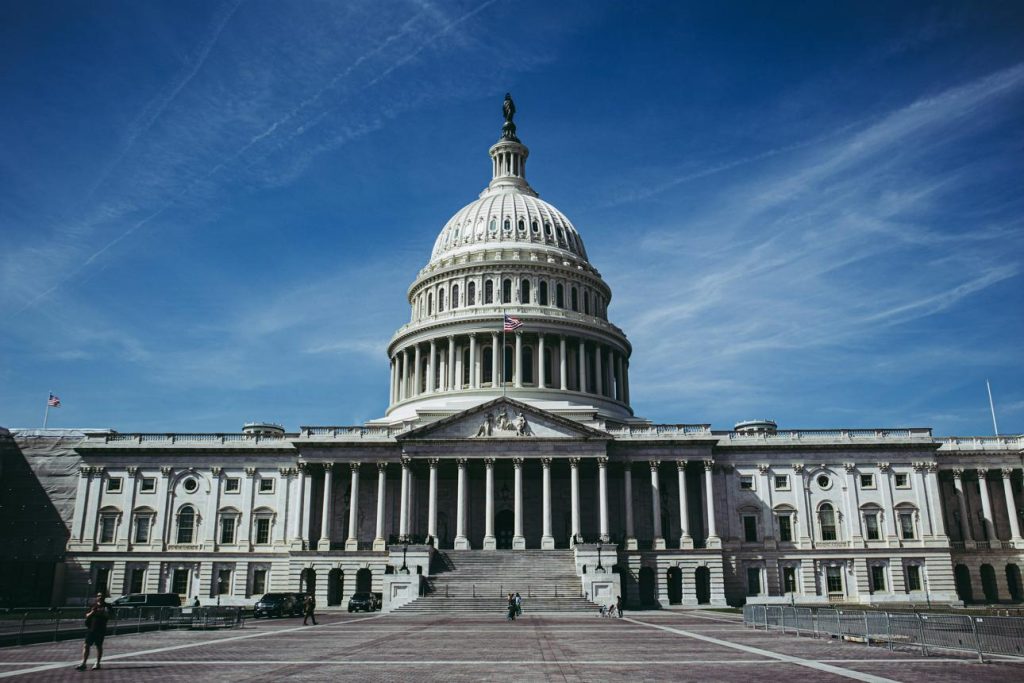
What a week. Investors started Monday already nervous about AI spending, the Middle East and the US midterm elections. By Wednesday morning, the Democrats had swept both the House and Senate in what quickly became known as the Blue Tsunami. Markets initially liked the prospect of political gridlock. Stocks rallied, Treasury yields eased, the Dollar weakened and oil dropped sharply as investors reassessed fiscal policy, tariffs and the chances of further escalation with Iran.
Then came Thursday. The market’s attention shifted almost overnight from gridlock to the consequences of stronger Democratic control for AI infrastructure and the enormous US data-centre buildout. The Nasdaq plunged 5.5%, the Nasdaq 100 lost 6.4% and roughly $2.5 trillion in market value disappeared. Semiconductor stocks were punished even harder, with Nvidia down 9%, AMD 17% and the Philadelphia Semiconductor Index 12%. Concerns over permitting, power use and financing suddenly became very real.
Friday brought some bargain hunting and a partial rebound in technology shares, but the damage had been done. The Nasdaq still finished its fourth consecutive week lower, while investors were left wondering whether Thursday marked another temporary shake-out in the AI trade or something more structural.
The Greenback initially struggled after the election result, but the picture changed sharply on Friday. US employers added 165,000 jobs in October, far above the 65,000 expected, while unemployment fell to 4.1%. The Dollar Index jumped 0.77%, its strongest daily move since June, EUR/USD fell towards 1.114 and markets pushed the probability of another Fed hike in December back towards 80%.
Sterling had its own eventful week. The Bank of England raised rates from 3.75% to 4.00%, its first increase in more than three years, and warned that further tightening could follow if inflationary pressure from the Iran conflict persists. The Pound initially found buyers but later gave back part of those gains as the Dollar strengthened after payrolls.
Bonds initially benefited from the Democratic sweep as markets priced in greater political restraint, but Friday’s strong labour report pushed yields higher again. Gold remained one of the better-performing major assets during the week, while oil was hit hard as investors removed part of the geopolitical premium that had built up around the Iran conflict. The election result encouraged hopes that Washington might seek a less confrontational path, although renewed Middle East tensions later in the week provided some support to crude.
Crypto remained fragile. Bitcoin initially fell as the Democratic sweep raised questions over the pace of future crypto-friendly legislation, before recovering as broader risk assets bounced. The market is also still digesting the fallout from the recent Binance hack, another reminder that crypto investors rarely get bored for long.
The week ahead:
Next week, inflation moves back centre stage. US CPI for October is released on Tuesday and, after Friday’s surprisingly strong payroll report, the number could quickly decide whether December Fed hike expectations move towards certainty or retreat again. US PPI follows on Friday. The UK also publishes third-quarter GDP on Thursday, while Cisco and Applied Materials report after the US close later that day. After Thursday’s violent reassessment of AI and data-centre spending, both earnings calls will attract more attention than usual. And geopolitics is unlikely to stay quiet. Oil may have shed a large part of its Iran war premium this week, but markets have learned repeatedly that the Middle East can put it back just as quickly.
Market Commentary: This communication is for informational purposes only. It is not intended as an offer or solicitation for the purchase or sale of any financial instrument. All market prices, data, and other information are not warranted as complete or accurate and are subject to change without notice. Any comments or statements made herein do not necessarily reflect those of Coeus Capital. Coeus Capital does not assume any liability whatsoever for the content of this email or make any representations or warranties as to the accuracy and completeness of any information contained in this email.